
Greece tours open the door to a country where old temples sit above busy streets and quiet coves wait beside whitewashed villages. First-time visitors, couples, families, friends and solo travelers find something that fits their pace. A guide turns stones into stories, and a boat ride turns a warm afternoon into a swim.
This guide moves through the country one region at a time, from the capital to the mainland, the Cyclades and the large islands. Each part covers what to see, which kinds of tours people take and what comes with them. The team at My Greece Tours shares this kind of advice to make choices clear.
How Should You Plan Greece Tours In The Capital?
Plan Greece tours in the capital around early starts and a guided visit to the Acropolis. Add a museum stop, an evening walk and a full day on the coast. Many travelers compare Greece tours and Tours In Greece side by side before they pick the right mix of sights, food and sea.
Which landmarks are worth the trip in the capital?
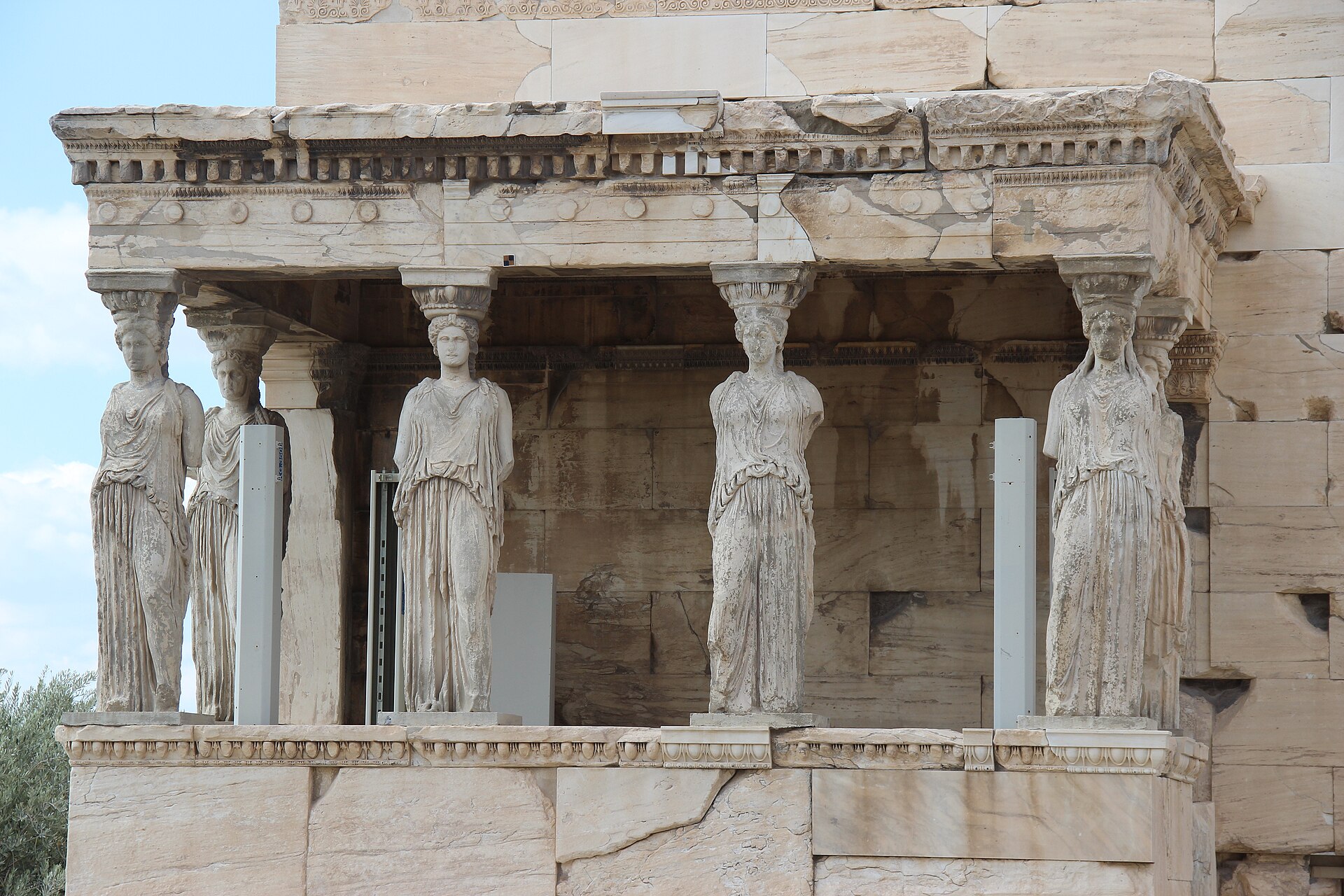
The Acropolis hill is the star of every visit. Its white marble temples, led by the Parthenon, look out over the whole city. On the southern slope sits the Theatre of Dionysus, where the earliest Greek plays were staged. Guides explain how these open-air shows began as festivals for the god of wine.
Below the hill, the Acropolis Museum holds statues and carvings found on the rock, and its glass floors show old streets beneath. It tops most lists of must-see museums in Athens. Nearby, the Roman Agora, an old market square, keeps the Tower of the Winds, an early weather station and clock.
Hadrian’s Arch, a gate raised for a Roman emperor, divides the old town from the newer city. The shady National Garden offers a calm break. At night, the old quarter of Psyrri fills with tavernas, music and street art. Further out, the Temple of Poseidon at Cape Sounion glows above the sea at sunset.
Which Greece tours work best in the capital?
Private Greece tours with a driver-guide suit families with young children and couples who like a slower pace. The car waits outside each sight, and the plan bends around nap times or long lunches. The price covers the whole car rather than each seat, so it works well for a family or close friends.
Boat cruises from the coast near the capital suit friends and solo travelers who want sun and sea after busy sightseeing. Most trips pause at clear bays for swim stops. A private skipper is another choice. A fixed fee covers everyone on board, which suits couples and families who want a quiet deck.
Guided walking tours suit first-time visitors who want the main sights explained in plain words. They also help solo travelers meet people along the way. Cooking classes and wine tastings suit food lovers of every age. Guests learn to make spinach pie or a village salad, then share the meal around a long table.
Which inclusions matter on Greece tours in the capital?
On Greece tours around the capital, lunch or a BBQ meal saves travelers from hunting for food in a hot, unfamiliar place. On boat days, the meal is often grilled on deck and served between swims. Drinks are part of many trips, and some boats keep them unlimited, which helps a lot on sunny afternoons.
A licensed guide matters most at the Acropolis, because in Greece only licensed guides may lead tours inside ancient sites. Local guides add family stories, handy shortcuts and the best spots for photos. Children stay curious when someone turns old stones into lively tales about gods, heroes and the daily life of people long ago.
Wine tastings give couples and friends a relaxed way to try local flavors without driving between wineries. Swim stops matter just as much on hot days. A cool dip in a quiet bay refreshes tired legs after a morning of climbing hills and walking through ruins in the bright sun. Everyone heads back happier.
How can you enjoy the capital more?
Start sightseeing early, because the Acropolis is cooler and calmer when the gates first open. Save museums for the hottest part of the day, since they offer shade and cool air. Wear shoes with good grip, as the marble paths on the hill are smooth and slippery after so many footsteps over the ages.
Carry a refillable water bottle, a hat and sunscreen in a light bag. Many sites have strict rules on large backpacks, so it pays to travel light. Plan the coast trip for late afternoon to catch the sunset at Cape Sounion. In the evening, enjoy a slow dinner in Psyrri or beneath the glowing hill.
Which Greece Tours In The Mainland Suit Every Traveler?
The best Greece tours in the mainland mix a classic day trip to Delphi or Mycenae with a slower trip. That second trip stays overnight near Meteora or Nafplio. This blend suits first-timers, families and couples alike. It keeps long drives comfortable and gives each famous site the time it truly deserves.
Which landmarks are worth the trip in the mainland?
Delphi sits high on a mountain slope, and the ancient Greeks called it the center of the world. Visitors climb past small treasure houses to the Temple of Apollo, where a priestess once gave puzzling answers to kings. Further north, the Meteora monasteries perch on top of giant rock pillars, and monks still live there.
In the big southern part of the mainland, Mycenae was home to the kings of the oldest Greek legends. Travelers walk through the Lion Gate, a stone entrance topped by carved lions. Nearby, the theatre of Epidaurus is famous for its sound. A coin dropped on the stage can be heard from the top seats.
Nafplio, a pretty seaside town, sits below the Palamidi fortress, a hilltop castle reached by a long stairway. Ancient Olympia, the birthplace of the Olympic Games, keeps its old running track and temple ruins. On the road back to Athens, many trips pause at the Corinth Canal, a narrow cut between steep rock walls.
Which Greece tours work best in the mainland?
Small-group tours suit solo travelers and couples who want a guide’s attention without a crowded bus. Minivan seats fill quickly, and the pace feels personal. Full-day trips from Athens by coach suit first-time visitors on a tight plan. A comfortable bus reaches Delphi or Mycenae and returns by evening.
Guided walking tours suit curious travelers of every age, since a guide brings the ruins to life step by step. Entry tickets alone suit independent travelers who like to explore at their own pace. They can linger at a favorite statue, skip the busiest paths and leave whenever they feel ready for lunch.
Multi-day Greece tours with hotel nights suit families and friends who want to see more without rushing. A trip might link Delphi, Meteora and Olympia in one smooth loop. Travelers settle in each evening, eat local food in small towns and wake up close to the next great site, rested and ready.
Which inclusions matter on Greece tours in the mainland?
A licensed guide is the heart of most Greece tours on the mainland. Sites such as Delphi and Mycenae show scattered stones, and without a story they can look alike. A trained guide explains what each ruin once was and points out small details that most visitors walk straight past without noticing.
Local guides add something extra, such as village legends, the best bakery in Nafplio or a quiet viewpoint at Meteora. Entry tickets matter too. When they come with the tour, travelers skip the ticket line in the heat and walk straight in. That helps families with tired children and anyone with sore feet.
On multi-day trips, hotel nights are a key part of the plan. Rooms are booked in good spots, so mornings start close to the sights before the day crowds arrive. Nobody has to search for rooms in each town alone, and that keeps every day light, simple and easy to enjoy.
How can you enjoy the mainland more?
Choose spring or autumn for mainland trips, when hillsides are green and the air is mild. Arrive at Delphi or Olympia early, before the tour buses fill the paths. Wear modest clothing at Meteora, since the monasteries ask visitors to cover shoulders and knees, and wraps are often handed out at the door.
Pack snacks and water for the road, because some drives between sites are long and winding. Travelers who get car sick should sit near the front of the bus. A light jacket helps in the mountains, where evenings feel cool. Comfortable sneakers also make the climb up to Palamidi much easier on the legs.
Where Do Greece Tours Go In The Cyclades?
Greece tours in the Cyclades go to clifftop villages, windmill hills, sacred ruins and sea caves. Most days mix island walks with boat trips and swims in clear water. Visitors can stay on one island and reach the others by ferry or boat. That way, packing and unpacking stay rare and holidays feel relaxed.
Which landmarks are worth the trip in the Cyclades?
On Santorini, white villages such as Oia and Fira cling to the rim of a caldera, a giant crater left by a volcano. Blue domes, cave houses and sunset views make it one of the most photographed places in Greece. Mykonos answers with its windmills above the sea and the colorful waterfront called Little Venice.
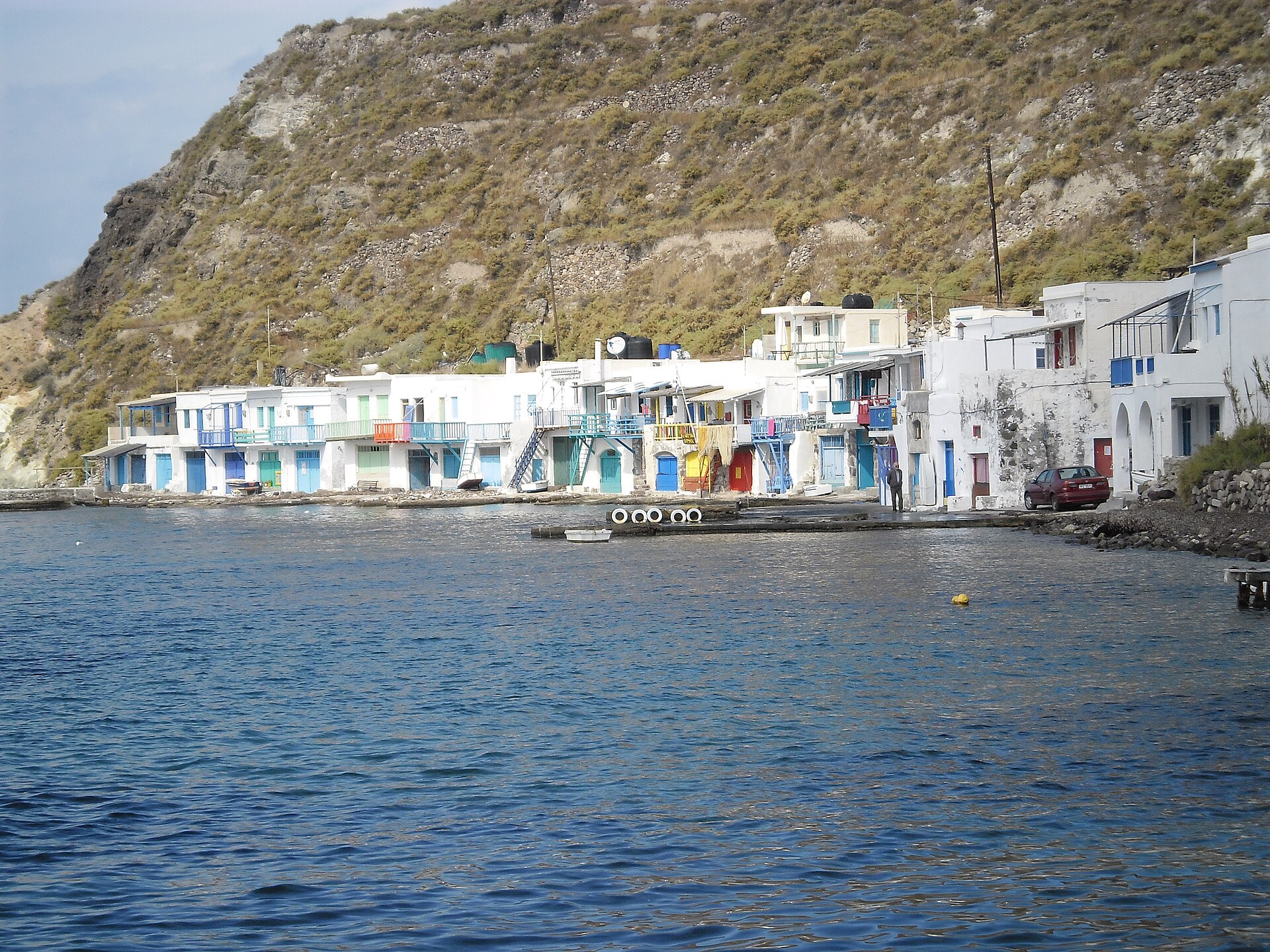
A short boat ride from Mykonos leads to Delos, an island that was once a holy place for the gods Apollo and Artemis. Its ruins spread across the whole island, with marble lions that once watched over a sacred lake. Milos is famous for sea caves and strange white rocks shaped by wind and waves.
Naxos, the largest of the Cyclades, has an old town of narrow lanes climbing to a castle built by rulers from Venice. Its giant marble doorway, the Portara, frames the sunset by the harbour. On Paros, the harbour of Naoussa mixes fishing boats, bright nets and seaside tavernas. It glows in the evening light.
Which Greece tours work best in the Cyclades?
Private Greece tours with a skipper suit couples and families who want their own boat for the day. The skipper picks quiet coves, sets an easy pace and charges a single fee for everyone on board. A private driver-guide on land suits travelers who want to see several Santorini villages without bus timetables.
Shared boat cruises with swim stops suit friends and solo travelers who enjoy a lively deck. Full-day trips from Athens by coach and ferry suit visitors short on time who still want a taste of Mykonos. Snorkel and beginner scuba trips suit curious swimmers, including teenagers who want their very first look underwater.
Cooking classes and wine tastings suit food lovers and anyone who enjoys a slow afternoon. On Santorini, vines grow low in volcanic soil, shaped like baskets to shield the grapes from wind. Guests taste crisp white wines, then cook simple island dishes such as tomato fritters with a friendly local host.
Which inclusions matter on Greece tours in the Cyclades?
On Greece tours by boat in the Cyclades, lunch or a BBQ meal is often cooked fresh on board. Eating at sea saves time and money, and nobody has to leave a perfect bay to find food. Drinks usually come with the trip, and some cruises keep them unlimited all day long.
Snorkel gear on board matters more than many travelers expect. Masks and fins turn a simple swim into a close look at fish, rocks and sea grass. Swim stops at caves and quiet beaches are the highlight for children. Free time in a harbour village lets everyone shop, rest or grab a cold drink.
A licensed or local guide makes a big difference on Delos, where the ruins spread wide and shade is rare. The guide links each broken column to daily life on a busy holy island. Wine tastings round off the day on Santorini, giving couples and friends a calm way to watch the sun go down.
How can you enjoy the Cyclades more?
Book boat trips for the morning, when the sea is usually calmer and the light is soft. The summer wind, called the meltemi, can make afternoons choppy. Travelers who get seasick should take a remedy before boarding. Watch the sunset from Fira if crowds feel tiring, since Oia gets very busy at dusk.
Pack a swimsuit, a towel, reef-safe sunscreen and a hat for every island day. Water shoes help on rocky beaches and inside sea caves. Carry some cash for small tavernas and village shops. Bring a light layer for the ferry deck, because the sea breeze often feels cooler than the air on land.
Which Greece Tours In The Large Islands Do Travelers Remember?
Travelers remember Greece tours in the large islands that blend history with nature. Think of the palace at Knossos, the pink beach of Elafonisi, medieval Rhodes and the glowing cave lake on Kefalonia. Each island feels like a small country. A few well-chosen trips show its best sides without any rush.
Which landmarks are worth the trip in the large islands?
On Crete, Knossos was the grand palace of the Minoans, the earliest great civilization in Europe. Its painted walls and maze of rooms may have inspired the myth of the Minotaur, a monster that was half man and half bull. Chania charms visitors with an old harbour and a stone lighthouse at its entrance.
Further west, the pink sand of Elafonisi sparkles in warm, shallow water. Travelers who look for hidden gems in Crete also find gorges, quiet villages and mountain tavernas. On Rhodes, the medieval old town still has thick walls, stone streets and a palace built by knights who once ruled the island.
Along the Rhodes coast, Lindos stacks white houses below an acropolis, a fortified hilltop with temple ruins. Corfu old town feels different from the rest of Greece, with arched walkways, pastel buildings and Venetian, French and British touches. On Kefalonia, the Melissani cave lake glows blue when sunlight falls through a hole in its roof.
Which Greece tours work best in the large islands?
Private Greece tours with a driver-guide suit families and couples who want to cover long roads in comfort. On Crete, a driver can link Knossos, a mountain village and a beach in a day. A private skipper on Corfu or Kefalonia charges a fee for the whole boat, so friends can share it.
Boat cruises with swim stops suit nearly everyone, from solo travelers to grandparents. Full-day coach trips, much like the popular ones from Athens, suit first-time visitors wanting an easy overview. On Crete or Rhodes, a coach covers the main sights before dinner. Guided walking tours suit history fans in Rhodes and Chania.
Entry tickets suit independent travelers who prefer to explore Knossos or the Palace of the Grand Master at their own pace. Cooking classes and wine tastings suit food lovers and families. On Crete, guests knead dough, roll vine leaves and taste olive oil, then sit down to a long, cheerful lunch with their hosts.
Which inclusions matter on Greece tours in the large islands?
Lunch or a BBQ meal matters on long island days, because good food stops are sometimes far apart. On many boat trips around Corfu and Crete, the crew grills fish or chicken on board. Drinks are often included, and some trips keep them unlimited, which helps everyone stay cool and cheerful in the heat.
A licensed guide turns Knossos from a puzzle of walls into a living palace. Local guides on Rhodes and Corfu share stories of knights, sailors and island traders. Entry tickets included in Greece tours save time at busy gates. That matters most in summer, when lines stretch out into the heat.
Wine tastings show how each island makes its own flavors, from Cretan reds to Kefalonian whites grown on mountain slopes. Swim stops bring the biggest smiles of the day. A dip at a pebble cove or a sandy bay feels like a reward after a morning spent walking through ruins and old streets.
How can you enjoy the large islands more?
The large islands take longer to cross than many visitors think, so pick a base near the sights that matter most. On Crete, Chania suits the west, while Heraklion sits close to Knossos. Visit Melissani around midday, when sunlight shines straight into the lake and turns the water a brilliant blue.
Reach Elafonisi early in the day to enjoy the pink sand before it fills up. Bring water shoes, a snorkel mask and a hat for beach stops. Leave the pink sand on the beach, since it is protected. In Rhodes and Corfu old towns, wear flat shoes, because the stone streets are bumpy and uneven.
Conclusion: Greece Tours, Planned Well
Greece tours work best when they match the traveler, not the other way around. Families may prefer private drivers and swim stops, while solo travelers enjoy walking tours and shared boats. Couples often love wine tastings at sunset. With the right mix, every day brings something new to see, taste and remember.
Start with the sights that matter most, then add tours that make the trip easier and more fun. Look closely at what each trip includes, from guides to lunch. For more ideas, browse these small-group tours in Greece and plan Greece tours that feel personal from start to finish.
Frequently Asked Questions About Greece Tours
Do Greece tours run in all weather?
Most Greece tours run in light rain or strong sun, since ancient sites stay open in both. Boat trips depend on the wind, and captains cancel or change routes when the sea turns rough. In that case, travelers usually get a new date or a full refund, so nobody loses out because of the weather.
Can Greece tours start from a cruise port?
Yes, many trips meet guests right at the cruise port in Piraeus, Mykonos, Santorini, Corfu or Heraklion. Guides plan the route around ship times, so passengers see the main sights and return well before boarding. Private drivers are the easiest choice when time on shore is short and the list of sights is long.
Are Greece tours good value?
Greece tours are good value when they bundle things travelers would pay for anyway, such as transport, entry tickets, a guide and a meal. A guided visit also saves time and stress. Families gain the most, since a single plan covers everyone and nobody has to solve problems alone in a new place.
How early should you book Greece tours?
Book popular trips, such as Acropolis visits and Santorini boat cruises, well before summer arrives, because the best ones sell out first. Spring and autumn give more choice and allow later bookings. Private drivers and skippers are limited on small islands, so travelers should reserve those before anything else on the list.
Do Greece tours include lunch?
Many boat cruises, cooking classes and multi-day Greece tours include lunch or a BBQ meal. Short walking tours and museum visits usually do not, but guides happily suggest good tavernas nearby. Travelers should always check the trip details and mention any food allergies before the day, so the hosts can plan ahead.
Can you change Greece tours after booking?
Many Greece tours allow changes or free cancellation when travelers ask in good time. Weather changes on boat days are usually handled for guests, who receive a new date or their money back. Read the cancellation rules before paying, and keep the booking details close at hand during the whole trip.
How do you plan rest around Greece tours?
Plan rest around Greece tours by leaving a free half day after every long outing and saving hot midday hours for shade. Travelers who pace their days enjoy each stop more and arrive at the next tour with fresh energy. A relaxed rhythm also leaves room for a slow swim or a long, lazy lunch.
Match rest to the season
Summer heat in Greece is intense, and long hours on stone paths can drain even energetic walkers. Many Greece tours start soon after sunrise for exactly this reason. The cooler morning air makes a climb up a hill or a walk around a ruin far more comfortable.
Spring and autumn feel gentler, so travelers can usually fit a little more into each day. A look at the best time to visit Greece shows how heat, crowds and daylight change through the year. That helps visitors decide how much rest each week of Greece tours really needs.
Families with small children and older travelers gain the most from a relaxed plan. A simple pattern works well: one full tour, then one easy day. The easy day can still include a short walk, a visit to the local market or a long lunch in the shade.
Rest also helps people notice more on Greece tours. A rested mind enjoys small moments, like a cat asleep on temple steps or the smell of fresh bread from a bakery. Planned breaks turn a rushed holiday into a richer experience.
Use beaches, boats and sunsets as rest
Rest in Greece does not mean hiding in a hotel room all afternoon. A quiet morning on one of the top beaches in Greece lets the body recover while the day still feels special. Shallow, calm bays are particularly comfortable for young children and nervous swimmers.
Slow sea days are another good choice between busy Greece tours. Travelers curious about life on the water can read how sailing holidays in Greece work before they book anything. A gentle day on deck, with regular stops for a swim, feels very different from a full day on a coach.
Evenings are the easiest time to unwind after Greece tours. Many visitors finish the day at one of the best sunset spots in Greece, with a light dinner close by. This peaceful ending helps everyone sleep well and wake up ready for the next early start.
How do you find the meeting point for Greece tours?
Find the meeting point for Greece tours by reading the booking note the night before, saving the spot on a map and arriving early. A clear plan keeps a calm morning from turning into a stressful rush. Guides usually hold a sign, flag or umbrella so visitors can spot them quickly.
Read the booking details closely
Each booking note explains where the guide waits, often beside a landmark such as a hotel entrance, a statue or a café. Travelers should read it twice and check the exact street name. Some Greece tours offer hotel pickup, while others ask everyone to meet at one central place.
A few simple habits make the meeting point easy to find. They take only minutes, yet they prevent most morning problems.
- Save the meeting spot as a pin on a phone map.
- Take a screenshot in case the signal drops.
- Store the local contact number from the booking.
- Check the walking or driving time the evening before.
- Charge the phone fully before leaving the hotel.
Arriving early matters on Greece tours with a fixed start. Coaches and boats leave on time, and late arrivals cannot always catch up later. A few spare minutes also leave time for a coffee and a restroom stop before the day begins.
Get there by bus, metro or ferry
In Athens, the metro and city buses reach most central meeting points with ease. This guide to exploring Greece by public transport explains tickets, lines and simple routes for visitors. Taxis work too, although they cost more and can get stuck in heavy morning traffic.
On the islands, many Greece tours meet near the port or the main square. Some day trips depart from a neighboring island, so the ferry must arrive first. These Greek ferry booking tips help travelers choose sailings that land with plenty of time to spare.
Travelers staying outside town should ask their hotel how long the journey takes at that hour. Morning traffic, narrow village roads and limited parking can all slow things down. Leaving earlier than the map suggests is always the safer choice for Greece tours that begin at dawn.
Hotel staff are a useful source of local knowledge here. They often know the quickest walking route, the nearest bus stop and the spots where taxis wait. A short chat at reception the evening before can save real stress the next morning.
How do you decide between private and shared Greece tours?
Choose private Greece tours for control over pace and stops, and choose shared Greece tours for a lower cost and a sociable mood. Both types visit the same famous places, so the real difference lies in how the day feels. Many travelers happily book a mix of both during one trip.
When a private tour makes sense
Private Greece tours suit people who want the day shaped around their own interests. Couples on a special trip, families with young kids and travelers who walk slowly often prefer this style. The guide can stop for photos, shade or snacks whenever someone asks.
A private guide also answers more questions, since the conversation flows both ways. Children can ask about gods and heroes without feeling shy in front of strangers. The cost is higher, although the price often covers the whole party rather than each person.
Friends who organize the trip for others can find practical steps in this guide for trip organizers. It explains how to set dates, share costs and choose the right style of Greece tours. Those ideas help anyone who books for more than just themselves.
When a shared tour works best
Shared Greece tours cost less, since the price of the guide and transport is split among more people. They also run on a fixed timetable, so planning is simple. Solo travelers often enjoy them because they meet other visitors from around the world.
Food walks are a good example of shared tours done well. Tasting stops feel livelier with more people around the table. This list of Greek food to try on tour shows which dishes to look for, from warm cheese pies to grilled fish.
Shared tours also make planning easier for first-time visitors. Transport, tickets and entry are all arranged in advance, so there is nothing to work out on the day. That simple structure suits anyone who feels unsure in a new country.
Shared tours do have limits. The guide cannot change the route for one person, and the pace suits the middle of the crowd. Many travelers mix both styles, booking shared day trips and one private outing for the site that matters most.
Why do guided Greece tours help?
Guided Greece tours help because a trained guide turns old stones into living stories and handles tickets, timing and routes for visitors. Without that support, many travelers miss the meaning behind what they see. Guests can simply look, listen and enjoy every moment of the visit.
Stories, history and the law
Only state-licensed guides may lead tours inside Greek archaeological sites and museums. These guides study history, art and mythology in depth before they can work. That training shows in the clear and lively way they explain each site on Greece tours.
Difficult history words become simple with a guide nearby. A temple was a house for a god’s statue, while people prayed at an altar outside. An ancient theatre was an open-air stage cut into a hillside, shaped so voices carried to the top rows.
Guides also explain the small details that visitors walk straight past. A worn step, a carved name or a fallen column each holds a story. Guided Greece tours give those details meaning, so the visit stays in the memory far longer.
Local life, festivals and traditions
Good guides know far more than ancient history. They point out bakeries, family tavernas and village customs that most visitors would never discover alone. Anyone keen on this side of Greece can learn how to experience local Greek traditions in everyday life.
Timing a trip around a feast day adds even more color. This list of seasonal events to see in Greece covers moments like Easter, when towns fill with candles, music and food. Some Greece tours add a local celebration when the dates line up.
Music, dance and food come together at summer and harvest festivals. These Greek festivals to experience show what happens in each season and where. A guide on Greece tours can explain each dance or dish, so visitors feel part of the celebration.
Which Greece tours suit families?
The best Greece tours for families mix short ruin visits, myth stories and beach time, with a slow pace and plenty of breaks. Children stay curious when a guide turns old stones into adventures. Parents relax when the day still has room for shade, ice cream and a swim.
Myths and ruins that children enjoy
Kids often love Greek myths long before they see a real temple. Stories of Zeus, Athena and the Minotaur make a ruin feel like the set of an adventure film. This list of top Greek mythology sites shows where famous tales are linked to real places.
Family Greece tours work best when the guide speaks to children directly. Good guides ask questions, hand out small tasks or turn the visit into a treasure hunt. At Olympia, kids can even race along the old stadium track where ancient athletes once ran.
Parents can prepare by reading a few simple stories at home. This short guide to the Greek history you should know explains the big moments in plain language. Children who know a little before they arrive ask better questions on Greece tours.
Ruins can feel confusing without some help. A practical guide to ancient Greek ruins explains what to look for, such as the agora, which was the old market and meeting square. Knowing a few such words helps the whole family read a site like a map.
Easy pacing for parents and kids
Young children tire quickly in the heat, so short morning visits work far better than long afternoon outings. Half-day Greece tours leave the rest of the day free for the pool or the beach. A boat trip with swim stops also counts as a real adventure for most kids.
Comfort matters just as much as history for families with younger children. Families should look for Greece tours with air-conditioned transport, short walking stretches and stops near clean restrooms. Strollers struggle on rough ancient paths, so a baby carrier often works much better.
Island day trips are especially easy for families. Short boat rides, sandy coves and village squares give children space to run and explore. Parents enjoy the scenery while the kids hunt for shells and watch fishing boats return to the harbor.
Hands-on activities keep teenagers interested too. Cooking classes, pottery workshops and simple snorkeling trips let them do something rather than just listen. These active moments often become the stories they share with friends back home.
Which Greece tours suit couples?
Couples enjoy Greece tours that feel slow and personal, such as village walks, wine tastings, sunset sails and evening food tours in old towns. These outings leave space for quiet talk and small surprises. They also show a softer side of Greece than the busiest landmarks.
Villages, views and quiet corners
Small villages give couples a slower, more personal side of Greece. White lanes, stone churches and tiny cafés feel peaceful once the day visitors leave. This guide to traditional Greek villages to visit points to places where local life still moves at an easy pace.
Many Greece tours for couples include a stop at a hilltop viewpoint or a quiet chapel. These places feel special in the soft, golden light of early evening. A local guide also knows the calmer lanes that most visitors never find on their own.
Photos are a big part of many trips for two. These photography tips for Greece tours explain how to use morning light, frame white walls and keep crowds out of the shot. Some couples also book a short photo walk with a local photographer.
Wine, food and slow evenings
Greece has made wine since ancient times, and tastings make relaxed half-day outings. This overview of popular wine regions in Greece covers areas such as Santorini, Nemea and Crete. Small family wineries often pour local grapes that are hard to find abroad.
Evening Greece tours built around food suit couples who like to wander and taste. A guide leads the way through old town lanes, stopping for small plates, local cheese and sweet desserts. The pace stays easy, and conversation flows between each stop.
Sunset sailing trips are another favorite for two. The boat stops in quiet bays for a swim, then heads back as the sky turns orange and pink. Private Greece tours of this kind cost more, yet they feel far more intimate.
Couples celebrating a honeymoon or anniversary often add one special experience to their plan. Popular choices include a private cooking lesson, a picnic in an olive grove or a horseback ride along the shore. These personal touches turn ordinary Greece tours into unforgettable memories.
Which Greece tours suit friends traveling together?
Friends traveling together enjoy active Greece tours, such as hikes, kayak trips and jeep safaris, where everyone can try new things. Shared challenges, like reaching a summit or paddling into a sea cave, create memories that last for years. A long table at a taverna afterward makes the perfect end to the day.
Active days on land and sea
Hiking is one of the best ways to see wild Greece on foot. This list of top hiking trails in Greece includes gorges, coastal paths and mountain routes for different fitness levels. Guided Greece tours on foot handle the route, so everyone can focus on the views.
Sea kayaking, snorkeling and rock climbing suit friends who like a bit of challenge. These adventure activities in Greece cover options on land, at sea and even in the air. Many of these Greece tours end with a swim in a quiet bay.
Mixed fitness levels are common among friends. A good tour offers shorter or easier options so nobody feels left behind. It helps to check the walking time and terrain before booking, then choose a level that suits everyone.
Shared stories, food and nights out
Friends who love a good story can follow Greek legends from page to place. This myth-to-map guide to Greek legends and historical sites links famous tales to real ruins, caves and mountains. Delphi, for example, was home to an oracle, a priestess whom people believed spoke for the god Apollo.
Food tours and cooking classes turn a meal into a shared game. Friends can roll pastry, stuff vine leaves and then eat the results together. These relaxed Greece tours often feel like a party with a local host.
Evenings bring their own kind of entertainment. Some Greece tours include a taverna dinner with live music, where locals sometimes start dancing between the tables. Joining a simple circle dance is a classic way to end a night out with friends.
Which Greece tours suit solo travelers?
Solo travelers do well on shared Greece tours, such as walking tours, museum visits and day trips, which offer company and easy planning. They can join others for the day and still keep their evenings free. Greece is a friendly, welcoming country for people traveling independently.
Museums, art and great buildings
Solo trips are a great time to follow personal interests without compromise. Art lovers can use this Greek art and museums guide to plan visits around statues, painted pottery and gold. Guided museum visits on Greece tours explain each piece in clear, simple words.
Buildings tell their own story in Greece. This guide to famous Greek architecture explained shows how columns, temples and theatres changed over time. Columns come in three main styles: plain Doric, scrolled Ionic and leafy Corinthian.
City walking tours are often the best Greece tours for a first day alone. A guide shows the main sights and shares tips on safe areas, good cafés and easy transport. After that, solo travelers can return to favorite spots on their own.
Solo travelers who enjoy history can also join longer day trips from Athens. Popular destinations include Delphi, Mycenae and the monasteries of Meteora, which sit on top of tall rock pillars. Traveling with a guide removes the stress of driving and navigating alone.
Safety, company and freedom
Greece feels safe and welcoming for most solo visitors. Shared Greece tours add an extra layer of comfort, since a guide and other travelers are always nearby. This is especially helpful on remote hikes, island boat trips and late returns.
A few habits help solo travelers enjoy each day even more. They cost nothing and make every outing more social.
- Book the first tour early in the trip to meet people.
- Sit near the guide to ask questions easily.
- Choose day trips with a lunch stop for natural chats.
- Share each tour plan with someone at home.
- Keep a few evenings free for personal exploring.
Company is another important benefit of organized tours. Lunch stops, bus rides and long walks give natural chances to chat with other guests. Many solo travelers leave Greece tours with new friends and plans to meet again.
Freedom is the reason many people travel alone. Half-day and full-day tours let solo travelers mix guided learning with free time. That balance keeps the trip social without ever feeling crowded or rushed.
Which places do Greece tours visit?
Greece tours visit sunny Cycladic islands, famous mainland ruins and large green islands, with Athens as the usual starting point for most trips. Each area offers a different mix of history, beaches, food and local life. The lists below show popular places and what makes each one special.
Islands
The Cyclades are the classic island picture of Greece, with white houses, blue domes and windmills. Island Greece tours here focus on boat trips, beaches, villages and sunsets. Ferries link many of these islands, so travelers can easily visit more than one on a single trip.
- Mykonos: windmills, lively beaches and the colorful Little Venice waterfront
- Naxos: long sandy beaches, mountain villages and the giant marble Portara doorway
- Paros: the pretty fishing harbor of Naoussa and golden beaches
- Milos: white moon-like rocks at Sarakiniko and dramatic sea caves
- Ios: lively nightlife, wide sandy beaches and a hilltop old village
Mainland
Mainland Greece tours carry visitors back to the roots of Western history. Many famous sites sit within a day trip of Athens, so travelers can stay in one hotel and still see a lot. Guides explain myths, temples and ancient games in clear, simple words.
- Athens: the Acropolis, the Parthenon and lively streets in old Plaka
- Delphi: the ancient oracle site on the slopes of Mount Parnassus
- Meteora: monasteries perched on top of giant rock pillars
- Olympia: the sacred home of the ancient Olympic Games
- Epidaurus: an ancient theatre with sound so clear a whisper carries
Large islands
The large islands mix beaches with mountains, old towns and plenty of things to do. Greece tours on these islands often use one base for several days, since distances are bigger. Each island has its own food, history and character, shaped by many different rulers over the centuries.
- Crete: the Palace of Knossos, the Samaria Gorge and wonderful local food
- Rhodes: a walled Old Town from the Middle Ages, built by knights
- Corfu: a Venetian old town, green hills and calm bays
- Kefalonia: Myrtos Beach and the underground lake of Melissani Cave
How do you plan Greece tours over five days?
Plan Greece tours over five days by starting with two days in Athens. Then add one mainland day trip and finish with two island days. This simple shape mixes ancient history, mountain views and time by the sea without constant packing.
Days one and two: Athens and the Acropolis
Athens is the natural starting point, since most international flights land there. A morning visit to the Acropolis comes first, before the heat and the crowds build. The Parthenon, a marble temple built for the goddess Athena, stands proudly at the top.
The afternoon suits the Acropolis Museum, which keeps many original statues safe from the weather. A slow walk through Plaka, the old quarter below the hill, then leads to dinner. Many city tours combine these stops into one easy half day.
The second day can cover the ancient agora, the changing of the guard outside Parliament and the busy central market. An evening food walk then shows how locals really eat. Athens rewards slow exploring far more than rushing between famous sights.
Couples and families alike enjoy a sunset walk up Philopappou Hill or Lycabettus Hill. Both offer wide views across the rooftops toward the Acropolis. These quiet evening moments balance the busy sightseeing hours.
Travelers who prefer more freedom can read about self-guided itinerary planning before choosing which Greece tours to book. Mixing a few guided visits with free time keeps the city days balanced and relaxed. Both styles work well in a city this easy to explore.
Day three: a mainland day trip
Day three works well for a guided trip to Delphi, a scenic drive northwest of Athens. Ancient Greeks believed this mountain site was the center of the world. Its oracle was a priestess whose answers were said to come from the god Apollo.
Guided trips to Delphi usually include the museum, the theatre and the stadium high on the slope. The mountain village of Arachova makes a pleasant lunch stop on the way back. The views over the olive groves below are worth the journey alone.
Another popular option heads southwest to Mycenae and Epidaurus. Mycenae was the home of the legendary King Agamemnon, while the theatre at Epidaurus carries a whisper to the top seats. Both sites fit comfortably into one full day.
Meteora is a stunning choice too, though the trip from Athens is long. Travelers who want to see these cliff-top monasteries often stay one night nearby instead. Greece tours that include an overnight stop feel far less rushed.
Cape Sounion is the easiest choice for a shorter day. The Temple of Poseidon, god of the sea, stands on a high cliff above the water. Sunset there is one of the most loved sights near Athens.
Days four and five: island time
The last two days belong to the sea. Fast ferries and short flights link Athens with the Cyclades, so travelers can reach an island early on day four. Mykonos, Paros and Naxos all work well for a short stay.
Booking ferry seats early matters in summer, when popular sailings fill up fast. Both Piraeus and Rafina, the main ports near Athens, serve the Cyclades. Choosing the right island depends on the mood of the trip, since Mykonos feels lively while Naxos and Paros feel calmer.
Island Greece tours include boat trips to hidden beaches, village walks and sunset viewpoints. A single island is enough for two days, since moving again wastes precious time. A slow pace leaves room for swimming, long lunches and evening strolls.
Travelers with more time can stretch the plan into a week-long Greece itinerary that adds Santorini. Sea lovers can also learn the basics of Greek island hopping before linking several islands together. It is a fun way to see how each island feels different.
Travelers who prefer the mainland can swap the island days for Nafplio, a graceful seaside town in the Peloponnese. Its old streets, hilltop castle and waterfront cafés make a relaxing base near Mycenae and Epidaurus. The town is also perfect for a slow evening stroll by the water.
On the final day, many visitors return to Athens or fly home straight from the island. Checking ferry and flight times in advance keeps the last day stress-free. A final swim before leaving makes a perfect ending to five days of Greece tours.
More questions about Greece tours
Most practical questions about Greece tours concern food, walking, boats, booking, bags and packing, and each one has a simple answer. The short answers below cover what travelers ask most before a trip. Each answer applies to most day trips, city walks and boat outings.
Can you bring snacks on Greece tours?
Yes, travelers can bring light snacks on most Greece tours, such as fruit, nuts or crackers, to keep energy up between meals. Food is not allowed inside many museums and archaeological sites, so snacks should wait for rest stops outside the gates. Plenty of water is always welcome, especially in the summer heat.
Are Greece tours fine for people who walk slowly?
Yes, many Greece tours suit slow walkers, especially private tours, short city visits and boat trips with little walking. Ancient sites often have uneven stones and steep paths, so it helps to mention any needs clearly when booking. The Acropolis also has a lift for visitors with limited mobility and their companions.
Can a family book a private boat on Greece tours?
Yes, families can book a private boat on many Greece tours, choosing their own swim stops, timing and pace for the day. Private boats cost more than shared cruises, but children can rest, eat and swim whenever they like. A skipper handles the sailing and the route, so no boat license or experience is needed.
Can you pay for several Greece tours in one booking?
Yes, many travel agencies and booking websites let travelers combine several Greece tours into one booking and one payment. Package deals sometimes cost less than separate bookings and save planning time. Travelers should still check the cancellation and refund terms for each tour inside the package.
Which bag suits Greece tours best?
A small, light backpack suits Greece tours best, since it leaves the hands free and carries water, sunscreen and a camera. Large bags and suitcases are not allowed into many museums and sites. Some places offer a cloakroom, but a small bag avoids the wait and keeps valuables close.
What should you pack for Greece tours?
Pack comfortable walking shoes, a sun hat, sunscreen, sunglasses and a refillable water bottle for Greece tours in any warm month. Light layers help on breezy boats and in the mountains, where evenings feel cooler. Visitors to churches and monasteries should also carry clothing that covers shoulders and knees.
See more in Apofraxeischania24: